Medicare Information

Information Regarding UnitedHealthcare Medicare Advantage, Brown University Health Contract Negotiation
Brown University Health and UnitedHealthcare have publicly announced that, absent a breakthrough in contract negotiations, Brown University Health hospitals will no longer accept UnitedHealthcare Medicare Advantage plans as of July 1, 2025. In other words, unless Brown and UnitedHealthcare reach an agreement, Brown University Health hospitals will be “out of network” for individuals who are enrolled in UnitedHealthcare Medicare Advantage plans.
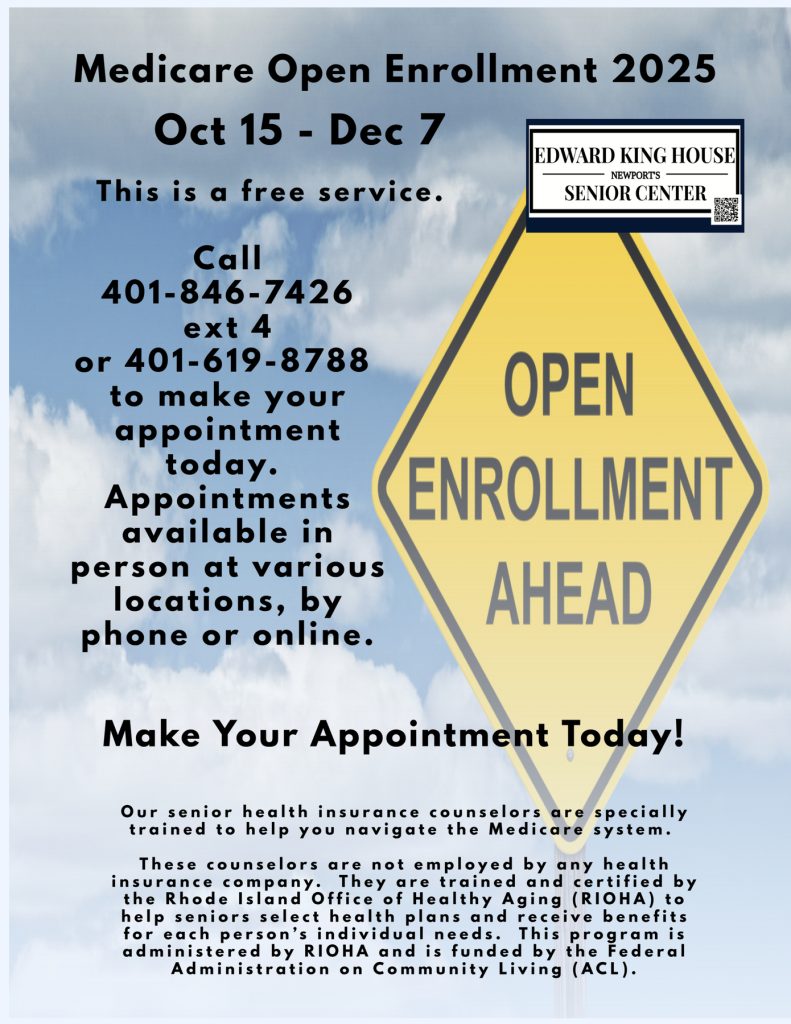
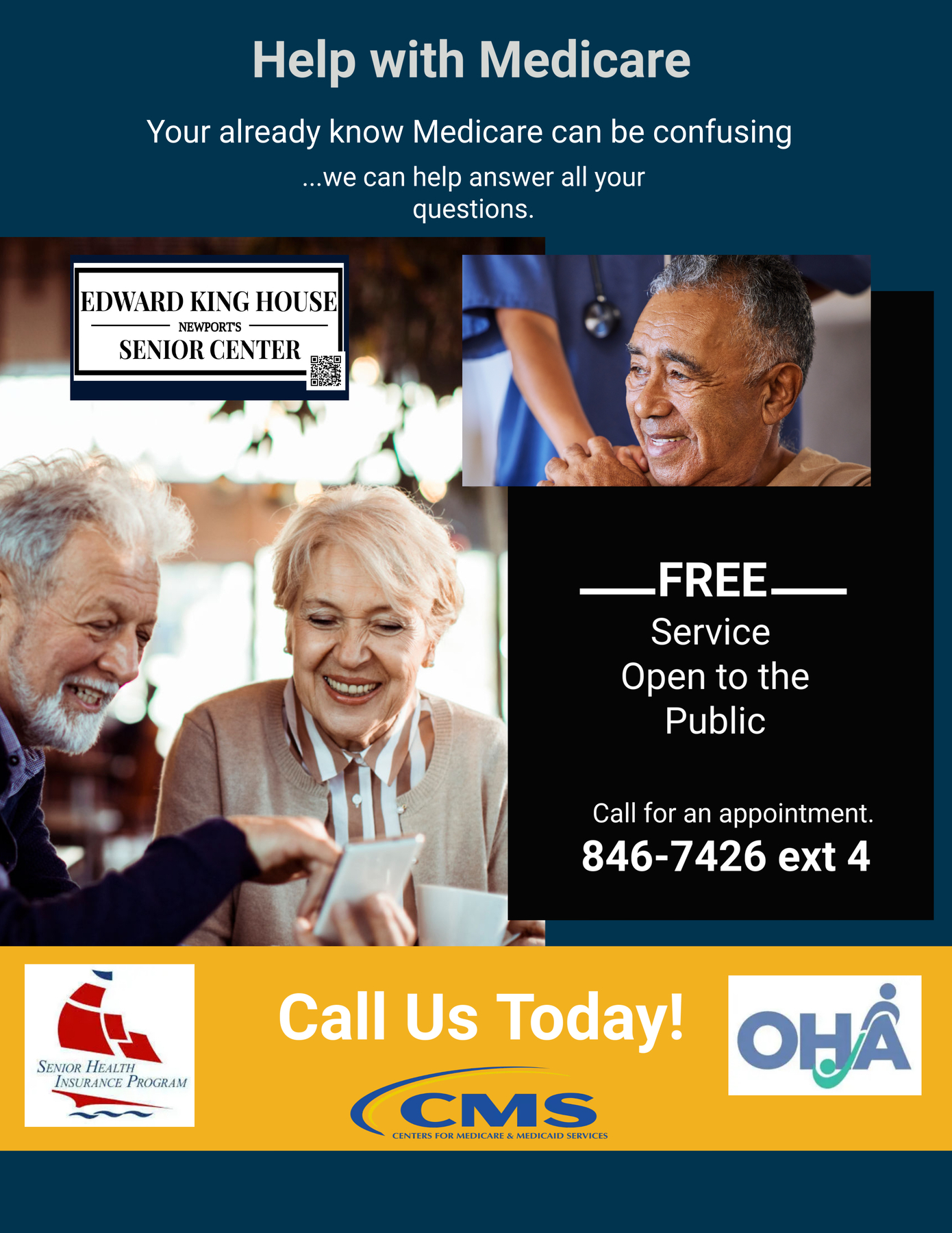
What is SHIP?
The Rhode Island Senior Health Insurance Program (SHIP) is part of a national partnership to help consumers make informed health care choices. Funded by the Centers for Medicare and Medicaid Services, SHIP volunteers provide one-to-one counseling to seniors, adults with disabilities, families and caregivers. This program is available free to all Rhode Island residents.
Medicare & You Handbook 2025
This is the complete 2025 edition of the Medicare & You Handbook that is published by the Centers for Medicare & Medicaid Services (CMS). It is an extremely useful reference book that explains everything you need to know about signing up for Medicare, what types of additional insurance you can buy, what services are covered under Medicare, and much more. Every year this book is updated so this 2024 edition contains the most recent and accurate information.
Click on the photo below.
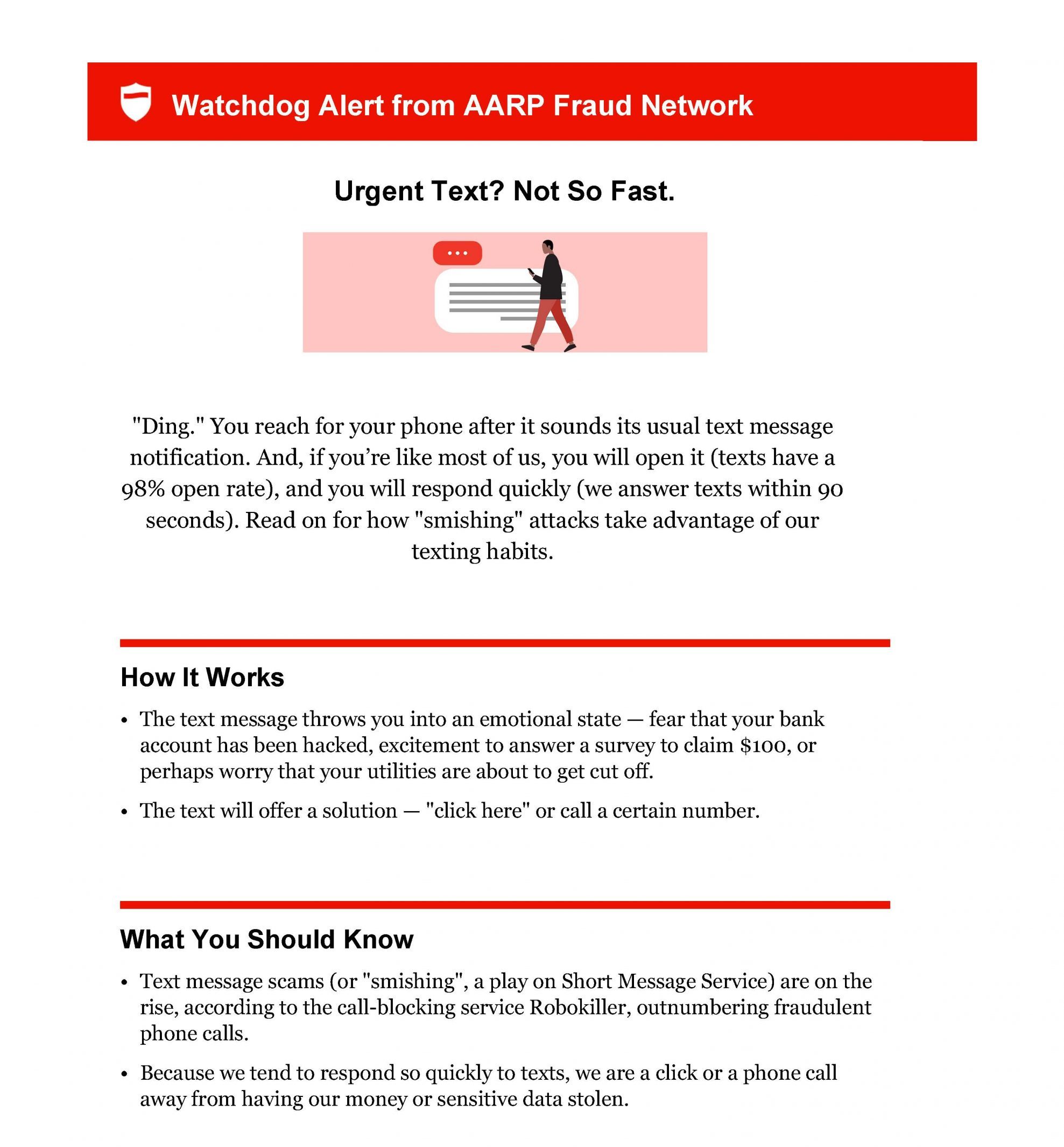
FRAUD ALERT
Beware of Scams Targeting Older Adults (National Institute on Aging)
Older adults are often the target of scams. Scammers are savvy and convincing, and their scams are designed to catch people off guard. Don’t be ashamed if you think you or someone you know has been a victim of a scam — it can happen to anyone.
Common scams aimed at older adults include:
What can you do?
Here are a few steps you can take to help protect yourself and your loved ones from scams:

One reason that scammers target older adults is that they are less likely to report suspected fraud. If you think that you or someone in your life has been the target of a scam, contact the National Elder Fraud Hotline at 833–372–8311. You can also contact your local police department or the attorney general of your state or territory, and you can report the scam to the Federal Trade Commission.